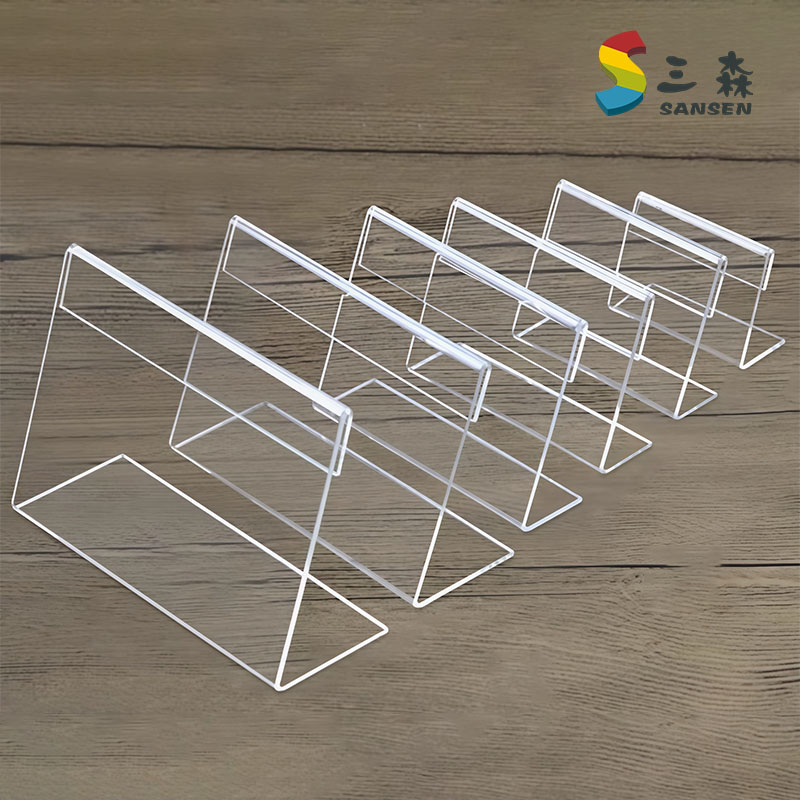
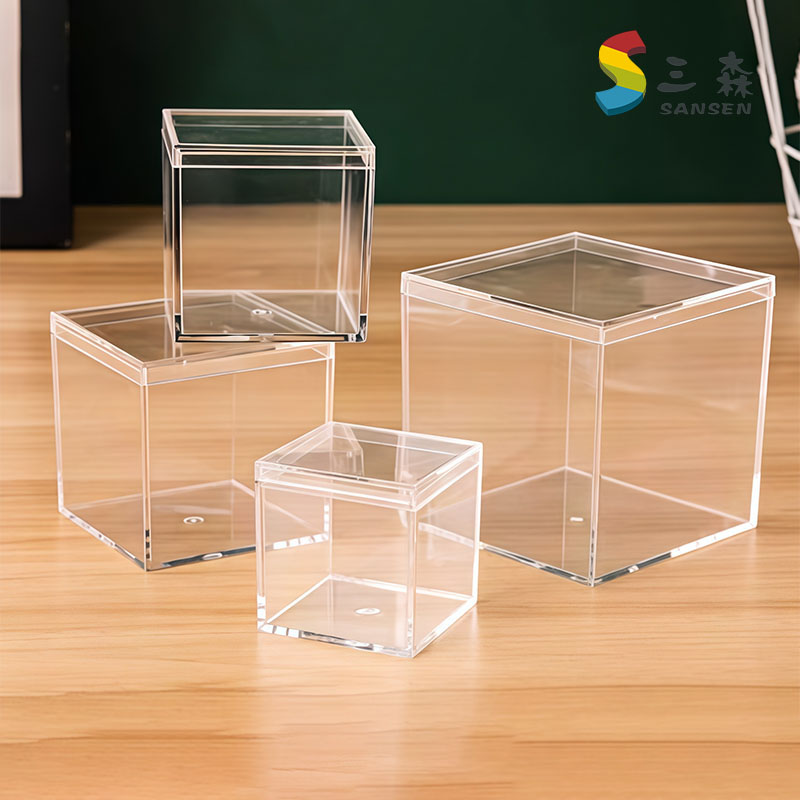
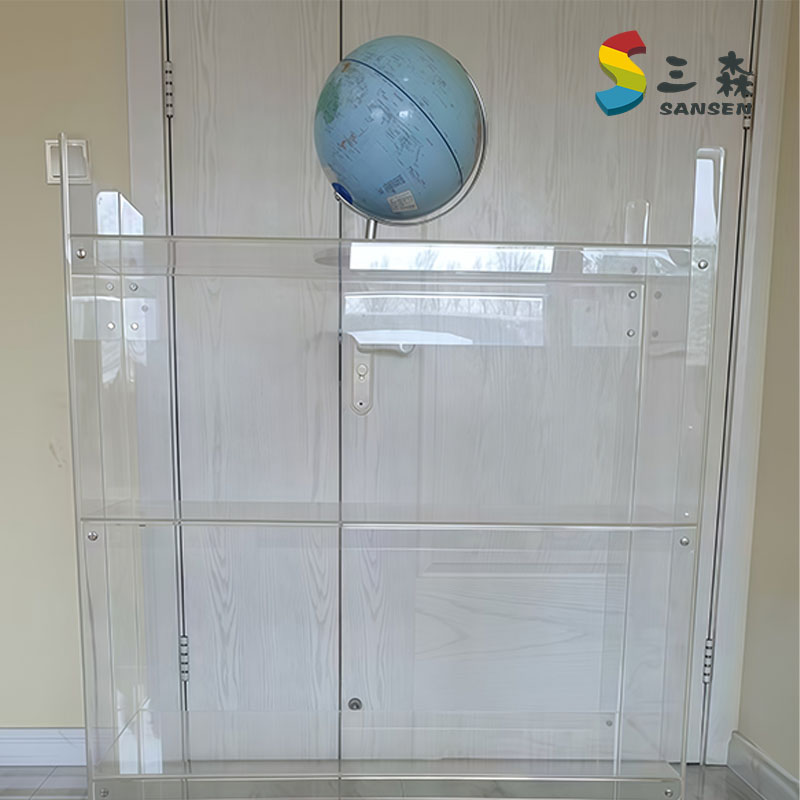
Polystyrene Home Decor
Our PS Home Decoration Products are high-quality finished items independently developed and manufactured by a professional factory with 18 years of experience in plastic product R&D and production. While we also offer a wide range of PS Thermoformed Products, our core focus and specialty lie in PS Home Decoration Products, which are designed to bring safety, practicality, and aesthetics into everyday living spaces.
Send Inquiry
We select high-purity, eco-friendly PS (polystyrene) as the core raw material. It is non-toxic, odorless, pollution-free, and fully compliant with ROHS and FDA certifications. These PS home decoration products are widely used in interior home decor, display props, lighting diffusers, household ornaments, protective covers, gift packaging, craft displays, and commercial window decorations. They are trusted and favored by households, decoration companies, gift brands, retail stores, advertising producers, and craft designers.
Using advanced thermoforming, injection molding, and precision polishing technologies, our PS home decoration products feature smooth surfaces, neat edges, stable structures, and excellent shaping effects. They effectively solve common issues found in ordinary PS products, such as brittleness, easy deformation, rough edges, and poor molding consistency.
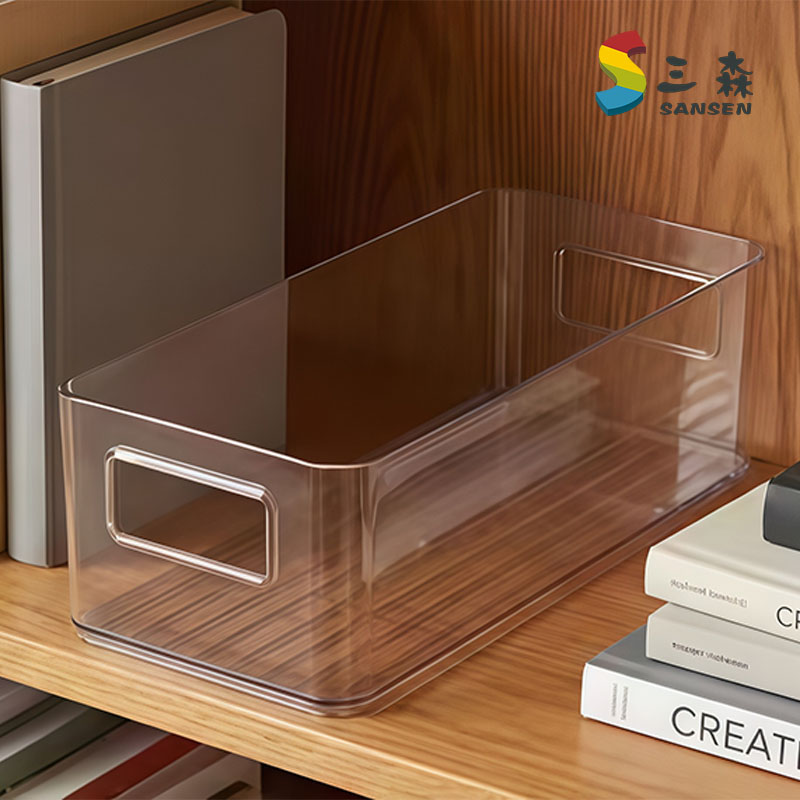
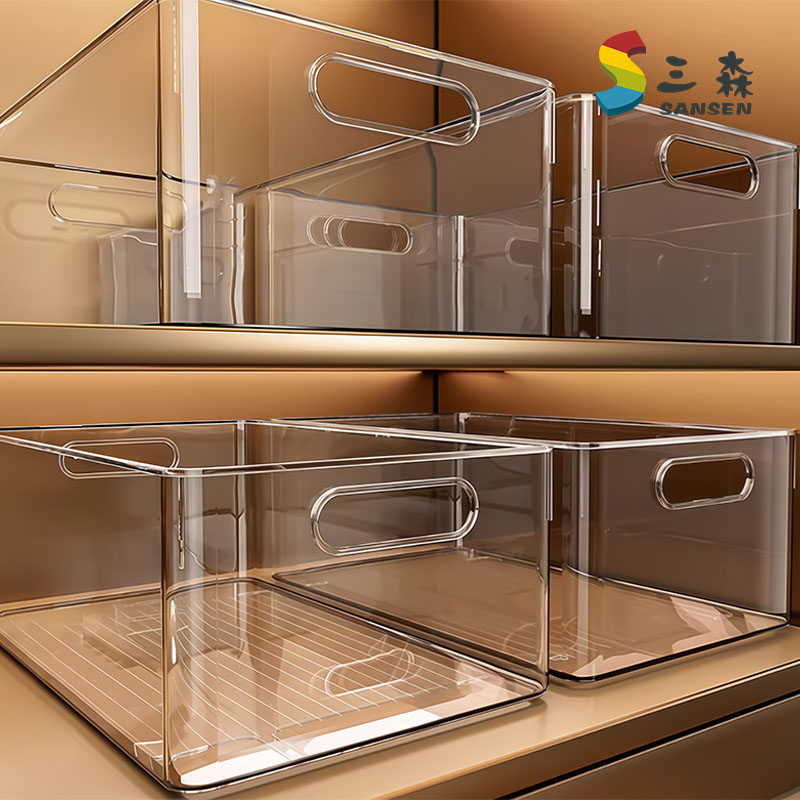
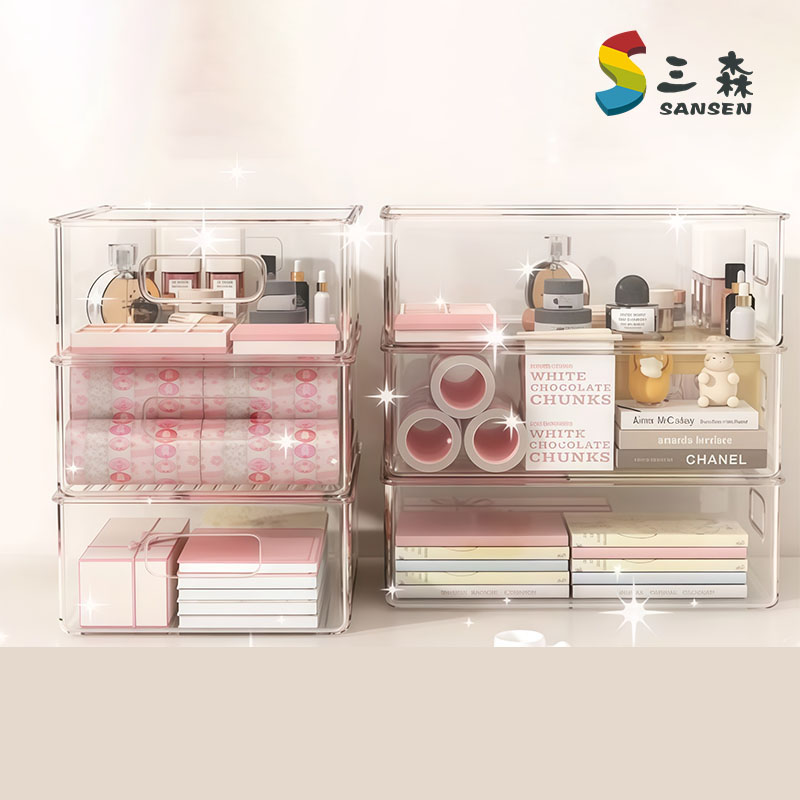
Product Selling Points
The core selling point of our PS home decoration & thermoformed products is their high transparency, excellent thermoforming performance and customizable shaping design. High-purity eco-friendly PS material delivers outstanding transparency, even better than ordinary PET materials, presenting a crystal-clear visual effect ideal for high-end decoration and display. We support diversified custom shapes, radian bending, size cutting and structural design according to customer requirements, perfectly matching various decoration, display and lighting application scenarios. In addition, we offer favorable bulk procurement policies: orders over 2000 pieces enjoy an 8% discount; orders over 6000 pieces qualify for a 15% discount; and free logistics delivery is provided for orders over 1000 pieces. We also support small-batch customization (MOQ 500 pieces), suitable for both large-scale project procurement and small-batch trial or customized decorative orders.Customer Concerns
Regarding quality control, we have established a strict four-level quality inspection system to ensure every PS thermoformed product meets safety and application standards. First, raw material inspection: we strictly select high-purity eco-friendly PS raw materials, and each batch passes sensory and component tests to ensure no harmful substances or peculiar odors. Second, production process inspection: professional inspectors monitor key parameters in real time, including thermoforming temperature (strictly controlled at 160-200℃ to avoid yellowing or brittleness), mold accuracy and polishing effect. Third, finished product appearance inspection: we check surface finish, edges, shaping consistency and overall structure to ensure no scratches, burrs, bubbles or deformation. Fourth, safety and performance inspection: we test structural strength, thermoforming stability and material environmental protection performance to ensure safe, durable and reliable use. We hold ISO9001 quality management certification and ROHS environmental certification, with all certificates and test reports available for customer inspection at any time.Product Advantages
Basic Information & Specification ParametersMaterial: High-purity eco-friendly PS (polystyrene)
Product Type: Thermoformed decoration parts, curved lampshades, display stands, protective covers, decorative panels, custom-shaped crafts (customizable)
Size: Customizable according to drawings or samples
Color: Transparent, white, black, gray, colored (customizable)
Surface: High-gloss smooth, matte (optional)
Structural Strength: Stable after thermoforming, not easy to crack
Heat Resistance: -20℃ ~ 70℃
Thermoforming Performance: Good ductility, uniform radian, no cracking
Processing Precision: Edge error ≤ ±0.1mm
Certifications: ISO9001, ROHS, FDA
Compared with competitors' PS thermoformed products, our home decoration series has obvious advantages in three aspects:
1. Material advantage: We use high-purity eco-friendly PS raw materials without any fillers, which are more environmentally friendly, higher in transparency and more stable in thermoforming than ordinary recycled PS materials. They do not yellow or become brittle after long-term use.
2. Process advantage: Advanced precision thermoforming and full-surface polishing technology ensure smoother surfaces, neater edges and no burrs. Competitors' products often suffer from rough edges, uneven surfaces and inconsistent bending radians.
3. Design & customization advantage: We support fully customized shapes, thermoforming radians and structural design, with high molding consistency and strong adaptability to decoration and lighting projects. Most competitors only provide fixed specifications with poor customization flexibility.
Usage Instructions
1. Application Instructions: These thermoformed products are finished decorative parts ready for direct installation and use. They are suitable for indoor decoration, display and lighting use (avoid long-term exposure to liquids or temperatures above 70℃ to prevent softening or deformation). The customized thermoformed radian and structure can be directly assembled or bonded for decorative and display purposes.2. Cleaning Instructions: Wipe the surface with a soft cloth dampened with clean water or neutral detergent. Do not use corrosive cleaners (strong acid, alkali) or sharp tools to avoid scratching the surface. Air dry naturally in a cool place after cleaning.
3. Handling & Maintenance: Avoid heavy impact, dropping or strong extrusion during use, as PS features high hardness but relatively low toughness. Do not place heavy loads exceeding the designed bearing capacity for a long time to prevent structural deformation.
4. Storage Instructions: Store in a dry, ventilated and cool environment, away from direct sunlight and high temperatures above 70℃ to prevent yellowing and deformation. Cover with PE film when not in use for a long time to protect against dust and scratches.
|
GPPS Performance Description |
|||||||
|
Material Category: |
Polystyrene (GPPS) |
Chinese Name |
Polystyrene (PS) |
||||
|
Chemical Formula: |
(C8H8)n |
Melting Point: |
212℃ |
Density: |
1.05g/CM3 |
Hardness Rockwell: |
74M |
|
Transmissivity: |
90-92% |
Conductivity(electrical conductance): |
(σ)10-16S/m |
Thermal Conductivity: |
0.08w/m.k |
Glass Transition Temperature: |
80-100℃ |
|
Tensile Modulus: |
(E)3000-3600MPa |
Tensile Strength: |
(σt)46–60Mpa |
Charpy impact test: |
2-5KJ/m2 |
||
|
Coefficient of Thermal expansion: |
(α)8×10⁻⁵/K |
Heat Capacity: |
(c)1.3 kJ/(kg·K) |
Coefficient of Water absorption: |
(ASTM)0.03-0.1 |
Degradation: |
280℃ |
|
Polystyrene resin is a non-toxic, odorless, and colorless transparent material composed of glass-like brittle particles. Its products exhibit extremely high transparency, with a light transmittance of up to 90%. Additionally, it possesses good electrical insulation performance, is easily colored, and has excellent processing fluidity. Furthermore, it demonstrates good rigidity and chemical corrosion resistance. However, ordinary polystyrene has several shortcomings, including brittleness, low impact strength, susceptibility to stress cracking, poor heat resistance, and no resistance to boiling water. |
|||||||